Ice dams in Clay
Ice dams on a Clay, NY house: when the town's temperature swings hit the eave
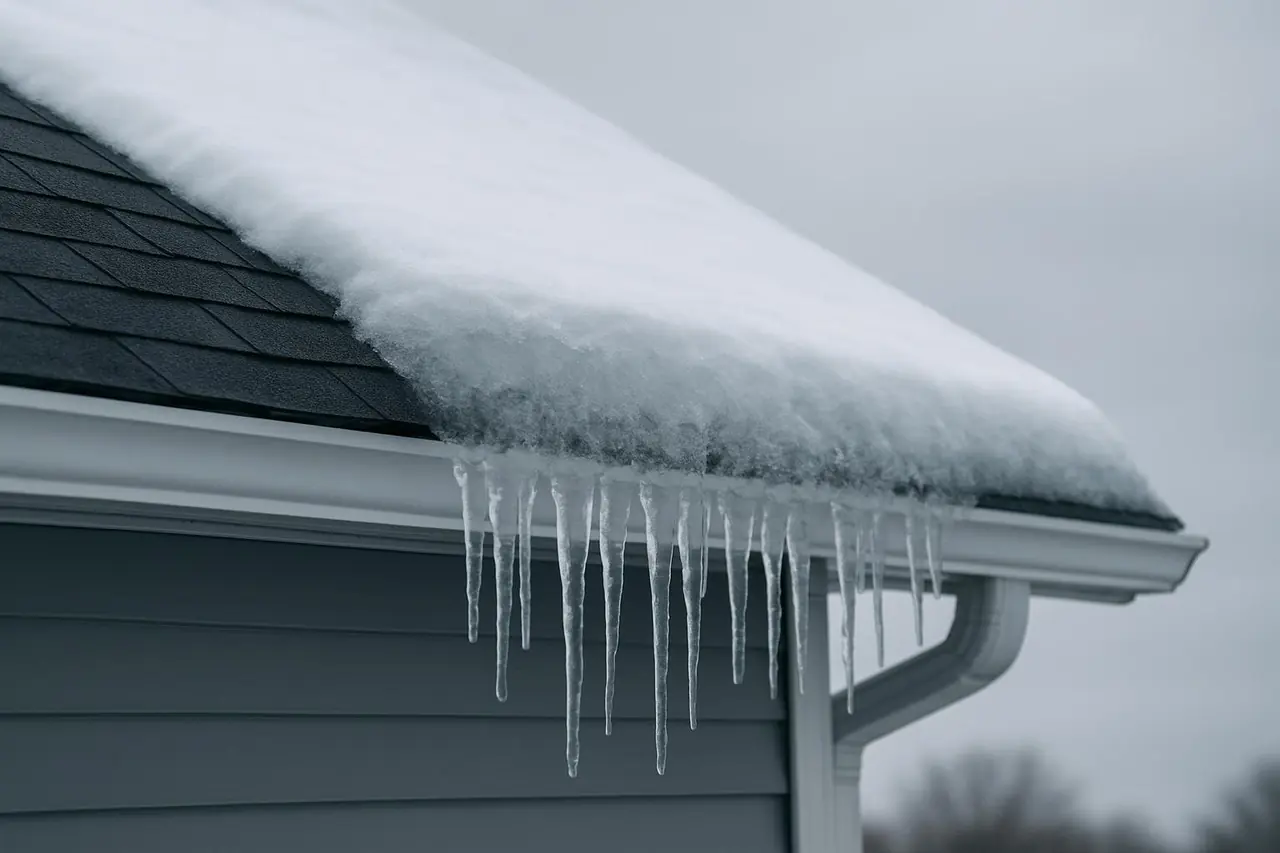
If icicles hang off a Clay house and a ceiling stains in a thaw, the trouble most often sits right at the roof's edge. Tell us where it shows and an independent roofer will look at the eave and write what it needs.
What we do
Describe the roof in a few lines, and an independent roofing contractor comes out to look at it, then prices the work for you in writing.
What we promise while you decide
- No charge from us, whether you book or not.
- The roofer's price comes to you on paper first.
- You may ask for a repair price beside the replacement one.
- Credit terms are spelled out on our Terms page.
Workmanship and contract terms belong to the roofer you hire.
Signed Roof Replacement Syracuse, (315) 640-3590
Read the full termsQuestions
Before you agree to ice dam roofing in Clay
Why does my Clay house get ice dams?
Melt from the warmer part of the roof refreezes at the cold overhang. The town's swings above and below freezing give that cycle many chances. Ask a roofer to look at what is under the shingles at the edge.
What should an eave repair include?
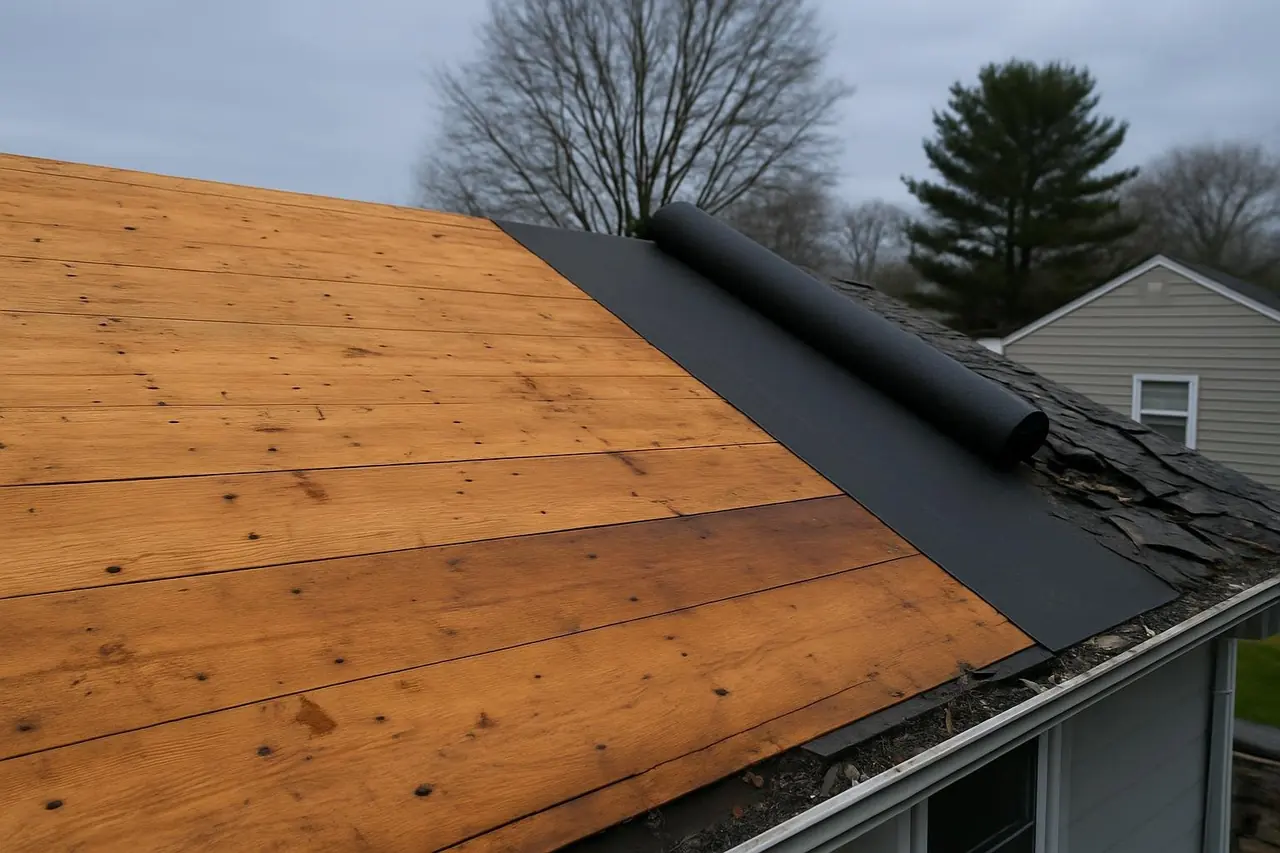
Removing shingles at the lower rows, checking the boards, laying an ice barrier at least 24 inches inside the wall, a drip edge and new shingles. Ask for each as a line.
Is a new roof the answer?
Only if the deck or the shingles above the eave are poor. If the leak only shows in a thaw, ask for an eave price next to the full replacement.
Why not just rake the snow off?
A roofer can advise on that. Raking can damage shingles, and standing under a loaded roof is risky, so ask first and keep clear of the edge.
Why Clay's freeze-thaw swings land on the eave
The Clay section of the county hazard plan ties the town's ice exposure to irregular temperature swings. Swings across freezing give an ice dam many chances to form: meltwater runs down a warm roof, refreezes on the cold overhang and holds more water behind it. The Department of Energy describes that mechanism, and the code answers it with an ice barrier at the eave where ice has formed there before.
Northern Onondaga County records more freeze-thaw crossings than the airport does. The NOAA station at Brewerton, in the north of the county, shows about 109 against about 84 at Hancock airport. Treat that as background on the north county and not a count for your street.
What it means for you is simple: the eave of a Clay house sees a lot of cycling, so the barrier and the drip edge matter more than a quote that skips them suggests.
Look at the roof from the street on a cold morning after a thaw. Ice sitting only along the lowest edge, with bare shingles above it, is the classic picture. Note which sides of your house it appears on and whether the garage or porch roofs show it too. Those notes tell your roofer where to start.
The eave, drawn
Follow the water to the edge
- 1
Shingles
- 2
Warm wall
- 3
Cold overhang
- 4
Meltwater
- 5
Ice dam
- 6
Backup
- 7
Ice barrier
- 8
Drip edge
- 9
Deck
The eave on a Clay house from the 1970s or 80s
Most homes in Clay are detached houses, and the median was built in 1978. Code asks for an ice barrier at the eaves where ice forms, but a roof laid decades ago may have been done to an older standard. Ask what is under the shingles at the lowest course and how far the roofer proposes to run a barrier.
The barrier is cemented double underlayment or a single self-adhering sheet, and it reaches at least 24 inches inside the wall line. Ask the roofer to put the distance they plan for your house in your estimate.
Ask too whether the drip edge will be new. The code asks for one on every shingle roof, and it is easy to leave off a cheaper job.
On roofs 8 in 12 or steeper the barrier also runs 36 inches up the slope, so a steep front gable may need more than a low ranch roof. Have the number written next to each part of the roof it applies to.
A Clay ceiling stain in March: how to decide between eave and roof
March has more freeze and thaw crossings than January in Syracuse, so a stain that appears in March and fades by May is consistent with the eave. Write down the dates you see it. Tell your roofer, because the pattern you saw is evidence.
You want two prices, one for rebuilding your eave and one for a full replacement. Boards at a wet or spongy edge belong in the eave price. If the roof above is sound, your edge may be all you need.
The Department of Energy traces the upstream cause to warm air reaching the deck, which is separate from the roofing. Ask the roofer whether they see signs of it, then decide.
If water drips in during a thaw, move what is under the stain and photograph the ceiling before anyone touches it. A roofer who sees the stain undisturbed can read it better.
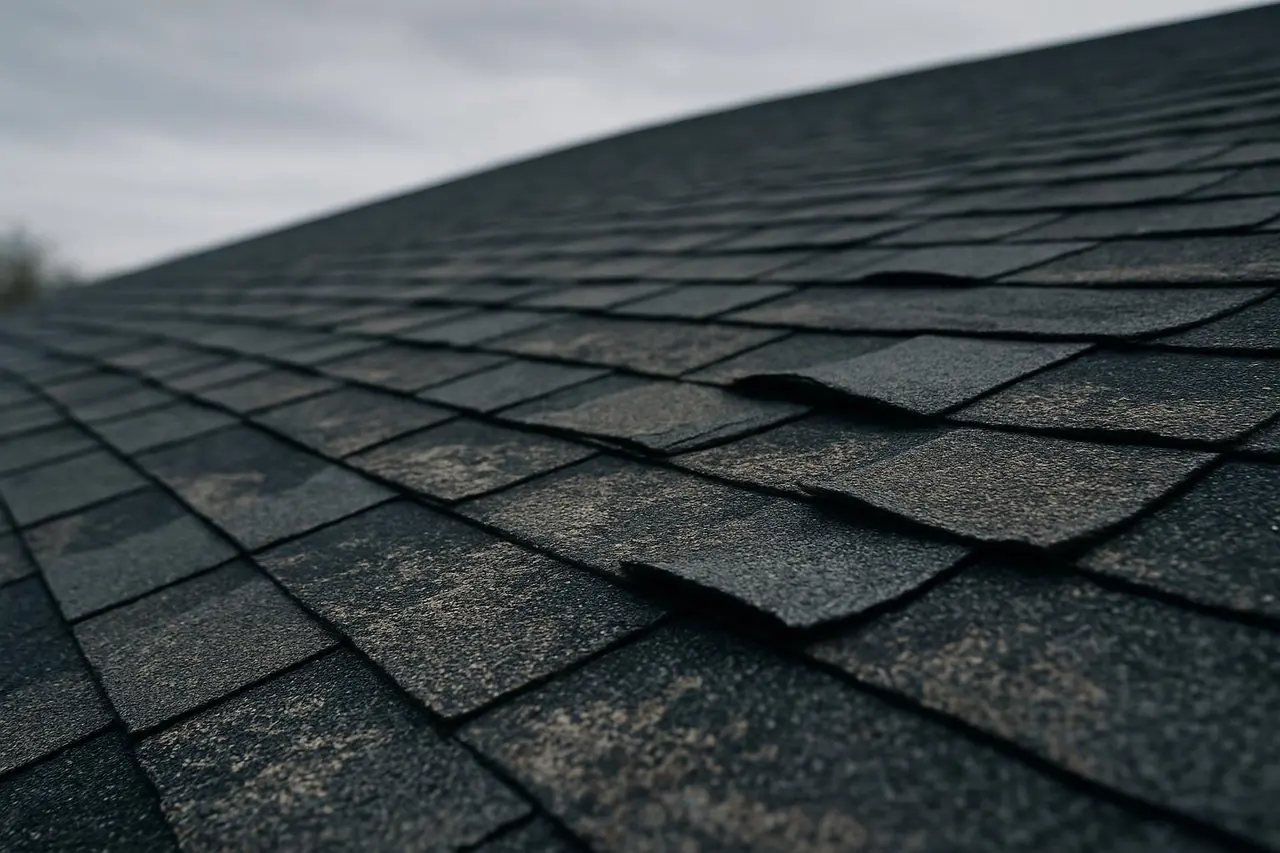
Finally, ask for the roofer's read on the lowest rows of shingles as they come off. If the boards under them are dark and soft, the eave job grows to include them. That is the moment to find out how the roofer prices boards, so ask before the work starts. Tell us the room and the weeks you see the stain, and ask for the eave price first.
Tell-tales
What a Clay homeowner sees that points to ice dam roofing
| What you see | What it may point to |
|---|---|
| Thick ice along the lowest edge | A ridge of ice at the overhang with clear roof above it is the pattern of a dam. |
| Water stains on a ceiling near an outside wall | Note which room and which weeks of the year. Both matter to the roofer. |
| Wet drywall at the top of a wall | That is where water from the eave can end up. Mention it when you book. |
| Stains that dry up in spring | A leak that only shows in a thaw is the best sign the problem sits at the eave. |
Other jobs
Other jobs for the same Clay roof
Roof Replacement
Tear-off, deck wood and eave lines to look for
Roof Repair
A section repair, priced before a replacement
Storm Damage Roofing
What the storm did, before you buy more roof
Nearby
Ice dam roofing in the next places over from Clay
Tell us where the ice sits on your Clay house.