Storm damage in North Syracuse
Wind, limb or hail damage on a North Syracuse, NY roof: find out what the storm did
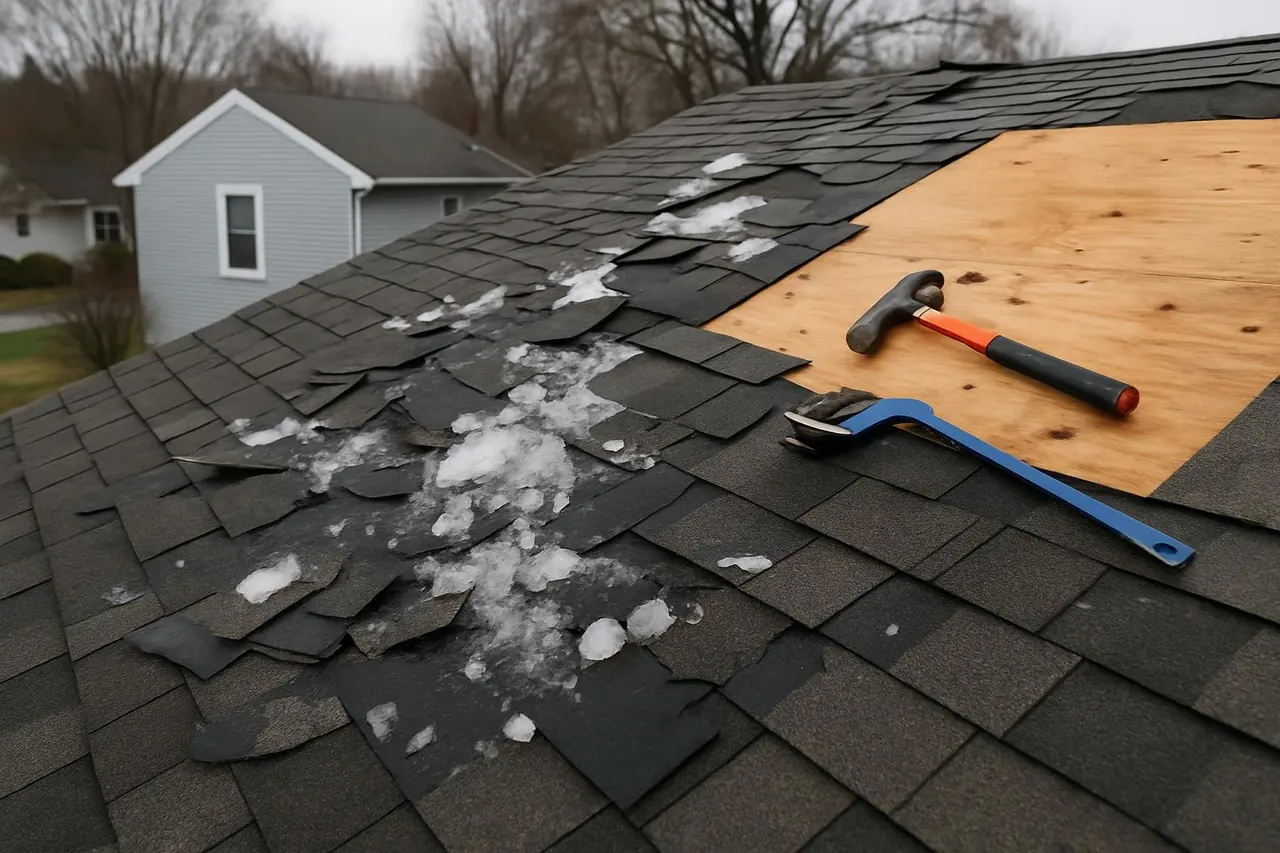
After a storm the roof can look fine from the street and be damaged where you cannot see it. Tell us what came down and an independent roofer will look at your North Syracuse roof and write what the storm did.
What we do
Describe the roof in a few lines, and an independent roofing contractor comes out to look at it, then prices the work for you in writing.
What we promise while you decide
- No charge from us, whether you book or not.
- The roofer's price comes to you on paper first.
- You may ask for a repair price beside the replacement one.
- Credit terms are spelled out on our Terms page.
Workmanship and contract terms belong to the roofer you hire.
Signed Roof Replacement Syracuse, (315) 640-3590
Read the full termsQuestions
What North Syracuse owners ask about storm damage roofing
A limb hit my roof. Who do I call first?
Photograph it from the ground, then book a roofer to look. Say a limb is involved so they check the deck under the shingles.
Does one-inch hail mean I need a new roof?
No. It can mark soft metal and bruise shingles, and the effect varies by slope. Ask the roofer to describe each slope before you decide.
Can you tell me what my insurer pays?
No, claims are outside what we do. Your insurer answers that, and the roofer's written account of the damage is what you take to the conversation.
What do I do about a contractor who knocks after a storm?
Ask for the written contract and the cancel notice, and hold off on any cash deposit until you have signed.
What the hazard plan says about trees and wind in North Syracuse
The county hazard plan names five parks in the village as vulnerable to damaging wind, and it gives the same reason for each: aging trees. The parks are Heritage, Lonergan, Kennedy, Toll Road and Centerville. The plan describes the park trees, not your roof, but it tells you where limbs are a reasonable worry.
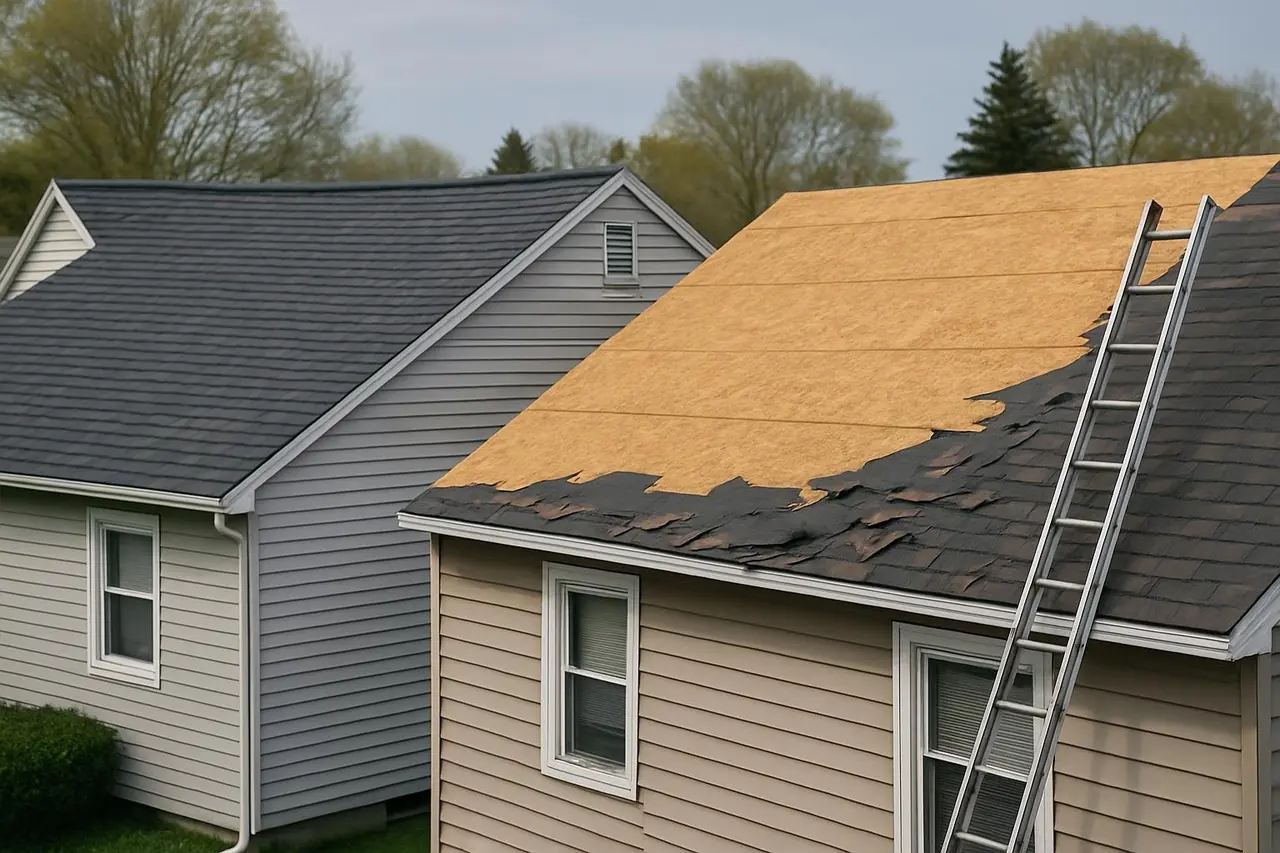
If a branch has landed, think about what it did on its way down. The shingles may be torn. The deck can have a dent or a crack that you cannot see from the ground. Ask the roofer to write what they find under the branch, not just on top of it.
Keep off the roof, keep people clear below, and leave the limb where it is until someone is ready to cut it. Your photographs are more useful taken from the ground anyway.
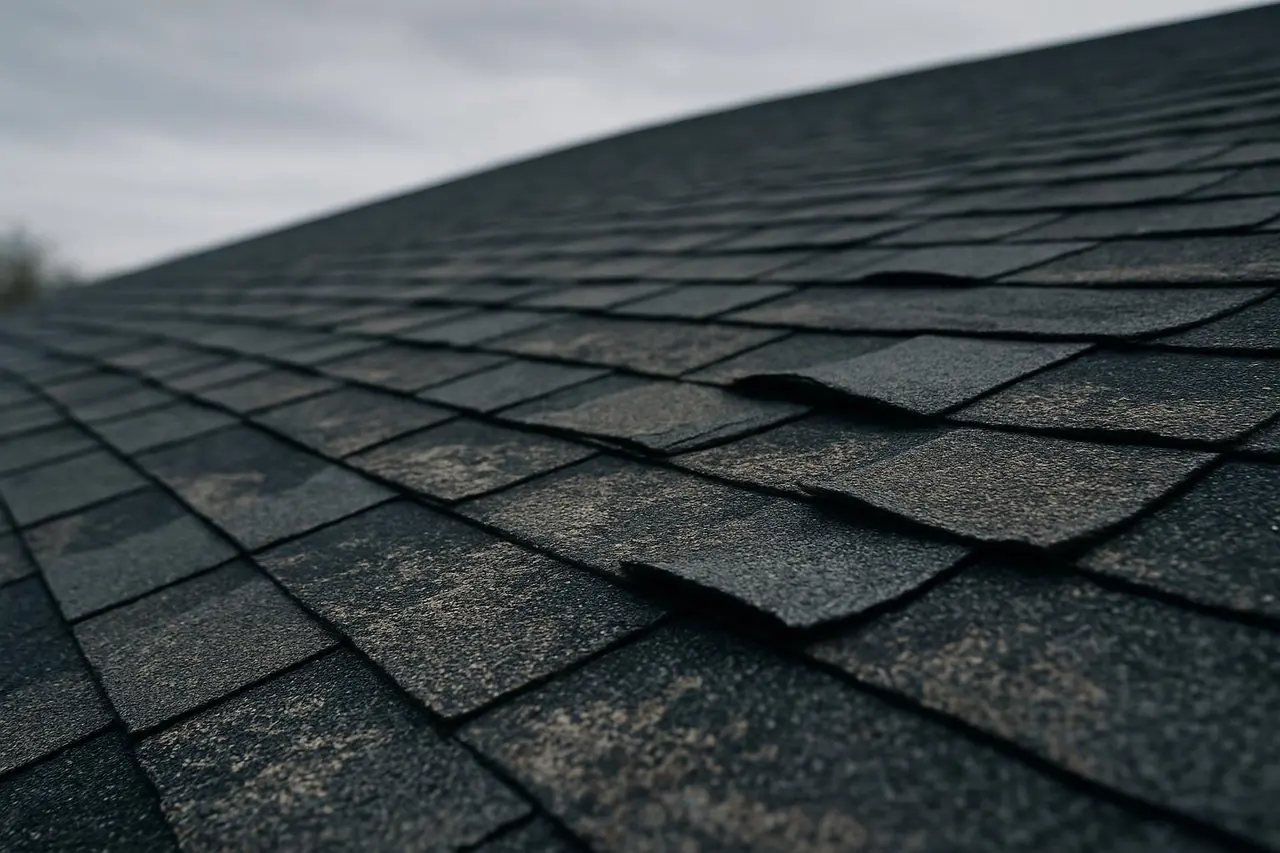
Wind of the strength that breaks limbs also lifts shingles. Look along the ridge and the edges for creased tabs and bare strips, then walk the yard and driveway for pieces. Tell the roofer where you found them so the first look goes to the right slope.
If a ceiling stain shows in the days after the gust, mention it with the date when you book.
The storm sorter
What did the storm do?
Wind
You are herePhotographEach slope and the yard, from the ground.
AskIs this a section repair or a new slope?
Hail
PhotographDents on metal, bruised tabs, any hailstones.
AskWhat do you see on each slope, in writing?
Ice storm
PhotographThe eave edge and any broken limbs.
AskDid the ice hurt the eave detail or only the shingles?
Limb on the roof
PhotographThe limb, and the spot under it.
AskWhat is under the spot where it landed?
Hail in North Syracuse: a small record, so check before you assume
NOAA hail reports for the village reach one inch, in June 2008 and again in April 2011. That does not settle the question for your roof. Do not assume damage, and do not assume there is none.
Look at what is soft: vent caps, metal trim, the cap on the chimney. Small dents there suggest hail reached the roof. Then ask the roofer to say, slope by slope, whether the shingles show bruises, bare spots or cracked tabs. That written description is the record worth keeping.
One slope may take far more than another, so a full replacement is not the automatic answer. Ask the roofer to write the smaller job and the bigger one together, and decide with both on the page.
If you have an older roof with two layers, hail and wind do not change the rule that a new covering cannot go over them. Say what you know about earlier roofs, because it changes what the roofer prices when the damage is large.
After a North Syracuse storm: roofer, policy and paperwork
If you plan to make a claim, read your policy first. New York's financial services department uses a roof example to show how depreciation shrinks a payout and how a home covered at 80 percent of replacement cost or more is treated. Claims are not something we handle, and what a policy pays is a question for your insurer.
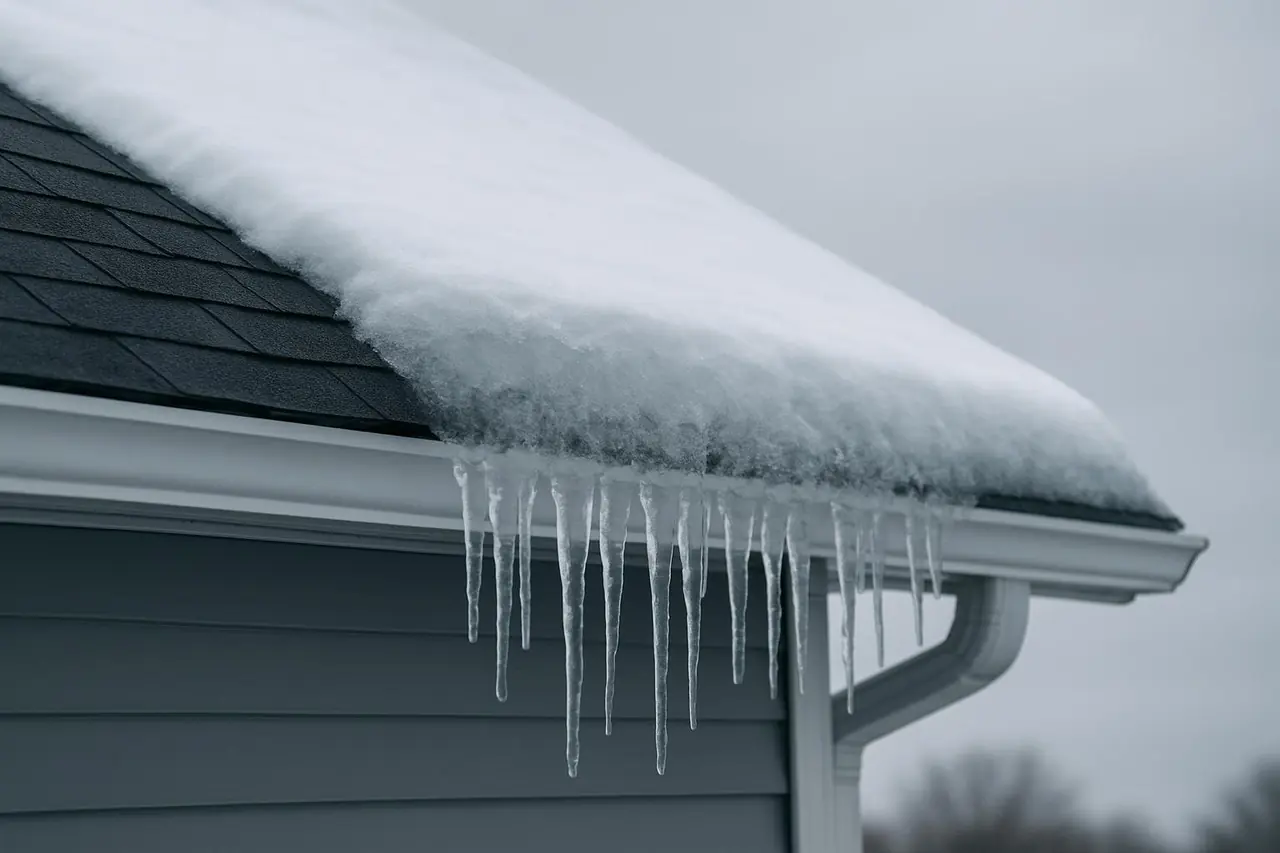
If a stranger offers roof work at your door, slow down. Ask for the written contract, the three business day notice to cancel and the roofer's workers' compensation coverage, which you can look up in the state's public search. Hold off on any cash until you have signed.
If an open hole needs a stop-gap, a tarp is sensible. Ask whether it is part of the visit or a separate line, and take your photographs before it goes on.
List the dates in one place: the storm, the first stain, the photographs, the day you called. If an adjuster is coming, hand that list over with the roofer's written description, and tell us what came down when you book.
Tell-tales
Signs on a North Syracuse roof that lean toward storm damage roofing
| What you see | What it may point to |
|---|---|
| A limb or whole tree on the roof | Photograph it before it is cut. Ask the roofer to check the deck under it for cracks. |
| Creased or torn tabs after a gust | Check the ridge and the edges first, where wind gets under shingles. |
| Small dents on soft metal | Vent caps and trim show whether hail reached the roof. Photograph them with the date. |
| Shingle pieces on the lawn | Count them and note where they landed. They tell the roofer which slope to start on. |
Other jobs
Related roof jobs in North Syracuse
Roof Replacement
Tear-off, deck wood and eave lines to look for
Roof Repair
A section repair, priced before a replacement
Ice Dam Roofing
The eave detail that decides an ice dam job
Nearby
Storm damage roofing pages for places beside North Syracuse
Tell us what the storm brought down onto your roof.