Ice dams in Fayetteville
Ice dam damage in Fayetteville: what happened at the eave and what the roof needs
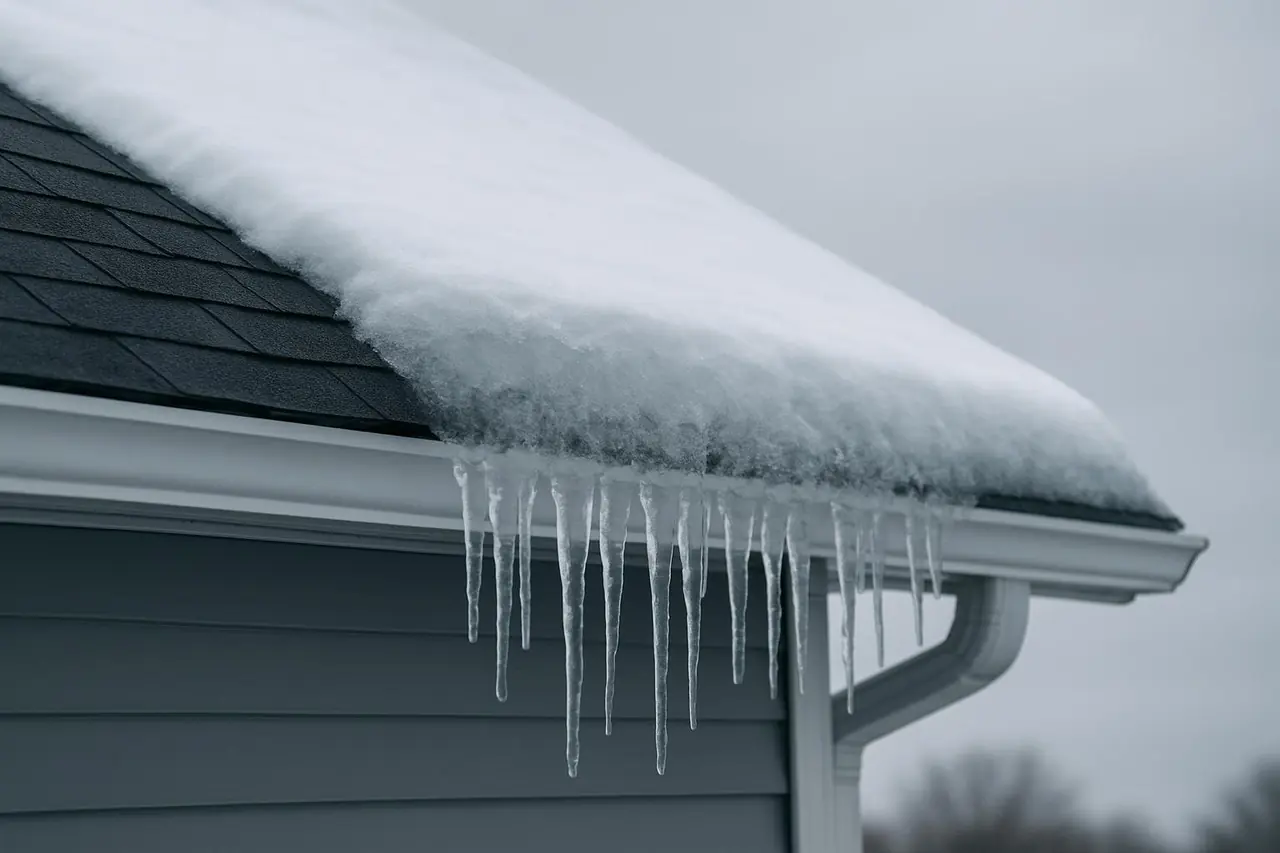
When ice builds along a Fayetteville eave, the damage is done where the roof meets the cold overhang. Say where the ice forms and how the ceiling reacted, and we arrange a roofer's visit and a written estimate.
What we do
Describe the roof in a few lines, and an independent roofing contractor comes out to look at it, then prices the work for you in writing.
What we promise while you decide
- No charge from us, whether you book or not.
- The roofer's price comes to you on paper first.
- You may ask for a repair price beside the replacement one.
- Credit terms are spelled out on our Terms page.
Workmanship and contract terms belong to the roofer you hire.
Signed Roof Replacement Syracuse, (315) 640-3590
Read the full termsQuestions
What Fayetteville owners ask about ice dam roofing
Does an ice dam mean I need a new roof in Fayetteville?
No. It means water got under the edge. If the boards there are dry and sound, an eave fix may be enough. If they are soft or stained, the bigger job is worth pricing too. The deck decides.
Will a new roof stop ice dams by itself?
Not alone. A good eave detail limits the damage when a dam forms. Heat escaping from the house below is the upstream cause, and that is separate work.
When is the best time to have a roofer look at the eave?
Right after a thaw, while the stain and ice marks are fresh, helps. A roofer can also read the edge in any season. Photograph the ice from the ground and the ceiling from inside first.
Why a Fayetteville eave is where the winter shows
The village annex of the county hazard plan ranks winter weather first. The mechanism is simple. Snow melts on the warm part of the roof and runs down to the cold overhang, where it freezes again and forms a dam. Water behind the dam backs up under the shingles.
Syracuse's weather station sees the temperature cross freezing on about 84 days each year, and March is the worst month for it. That is the cycle that melts snow on the roof and refreezes it at the edge.
The eave, drawn
Follow the water to the edge
- 1
Shingles
- 2
Warm wall
- 3
Cold overhang
- 4
Meltwater
- 5
Ice dam
- 6
Backup
- 7
Ice barrier
- 8
Drip edge
- 9
Deck
What the eave of a Fayetteville house should have
State code asks for an ice barrier along the lowest edge of the roof, running 24 inches or more inside the outside wall line, plus a drip edge at the eave. Village housing dates from 1961 at the middle, so ask each roofer to check for both and write down what is there.
Ask what the water did, too. Look at the deck along the edge and the ceiling below it. If the boards are sound, the fix can be limited to the eave. If they are stained or soft, more deck comes out, and a bigger job is a fair conversation.
The federal energy guidance puts air sealing first, then insulation and ventilation, as the upstream fix for an ice dam. That is separate work, and a roofer can tell you when it is outside the roof.
Tell-tales
Signs on a Fayetteville roof that lean toward ice dam roofing
| What you see | What it may point to |
|---|---|
| Thick ice at the lowest edge and long icicles | Photograph the edge from the ground and note which side. That is the pattern the eave detail is meant to handle. |
| A ceiling or wall stain below the overhang in a thaw | Water backed up under the shingles. Write down the date and weather, then ask what is at the edge. |
| Stained, soft or black boards at the edge, once opened up | That shows what the dam did. It sets how much of the deck along the eave needs to be replaced. |
Other jobs
Related roof jobs in Fayetteville
Roof Replacement
Tear-off, deck wood and eave lines to look for
Roof Repair
A section repair, priced before a replacement
Storm Damage Roofing
What the storm did, before you buy more roof
Nearby
Ice dam roofing pages for places beside Fayetteville
Tell us where the ice forms on your roof.